Another trip between Georgia and the New York farm

Image
Its unusual that I make the trip this late in the year. Although it is highly unlikely it would snow (and bring the road salt and all the other bad stuff). It is often rainy. I had excellent weather. The main objective was to bring the brush hog up and mow trails. The trails have been disapearing and there are a number of bush islands appearing everywhere a small finish mower can't do the job. The tractor worked well. Back up over a multiflora rose bush with the brush hog up and drop it down and take care of business --at least for another couple of year or so. I spent many hours years ago yanking these things out of the ground with tractor and chain which yields a more satisfactory long term outcome. I will be doing the same with the largest ones for sure. I understand that these bushes were originally planted as a natural fence. Animals and humans alike don't like the thorns. They are invasive.
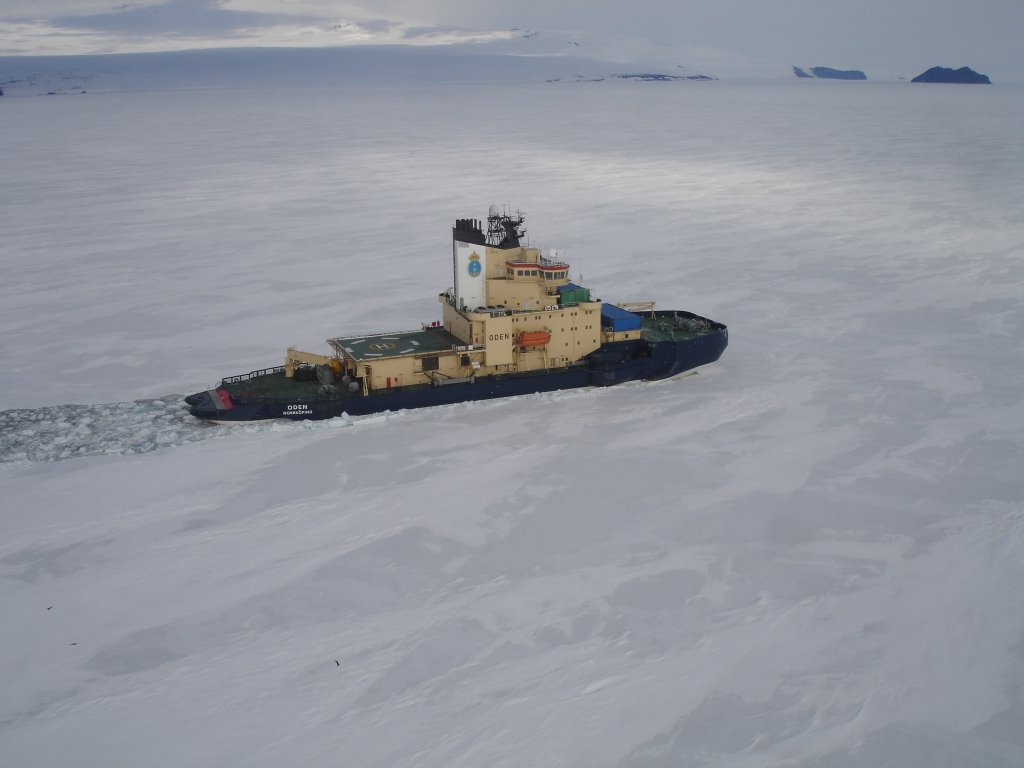
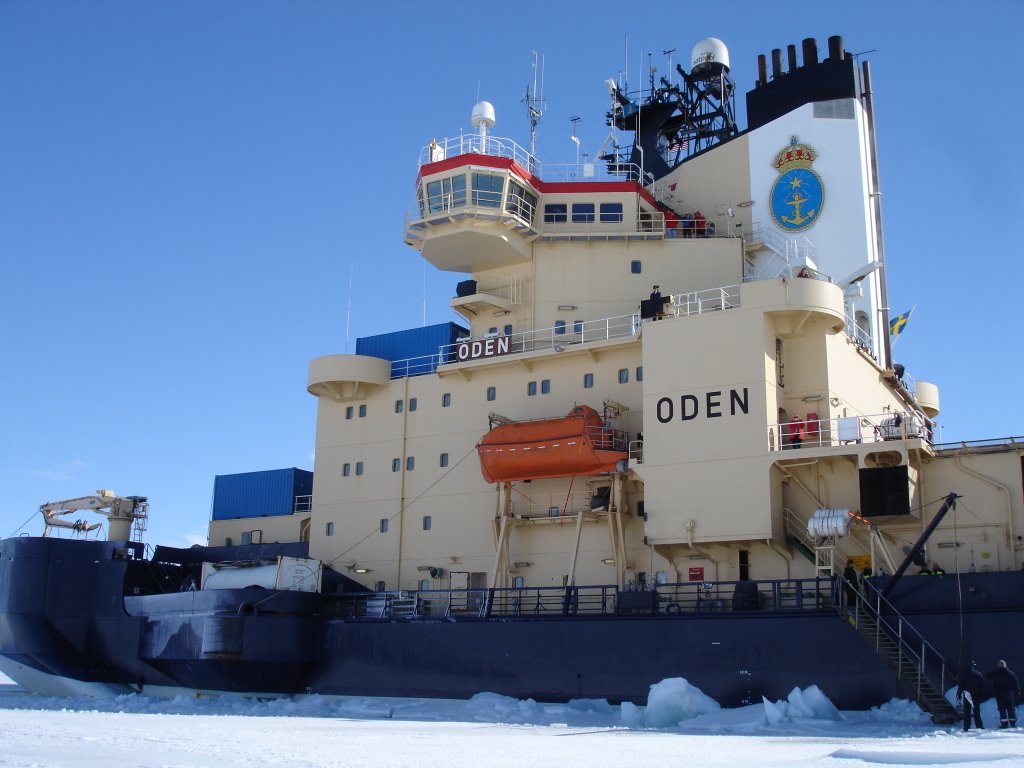
The station mode is changing. We are changing from primarily an aviation supported group to marine supported. The Swedish ice breaker ODEN is more than halfway through the sea ice to station. They will be here is another day or so. It is pretty strange to consider that the ship will essentially be cutting a channel through our early-season ice runway where we were landing Air Force C-17s just a few week earlier. We are still hoping the sea ice will blow out to sea.

Ice breakers don't really cut through the ice. They have a hull that allows them to slide up on the ice and the ship breaks the ice by its weight. The ship goes back and forth breaking up the ice that is almost 9 feet thick. Pumps are used to transfer ballast and pump water on top of the sea ice to lubricate it so the ship can more easily move on top of the ice.

A co-worker got word that he will be on the Nathanial B. Palmer for a cruise or two after February. Getting this work on the research ships can be very competitive.

The bad news is we have a sick llama.

Comments

Popular posts from this blog

LavaCon 2026 and the future.

Value of Life and Mount Coates Antarctica